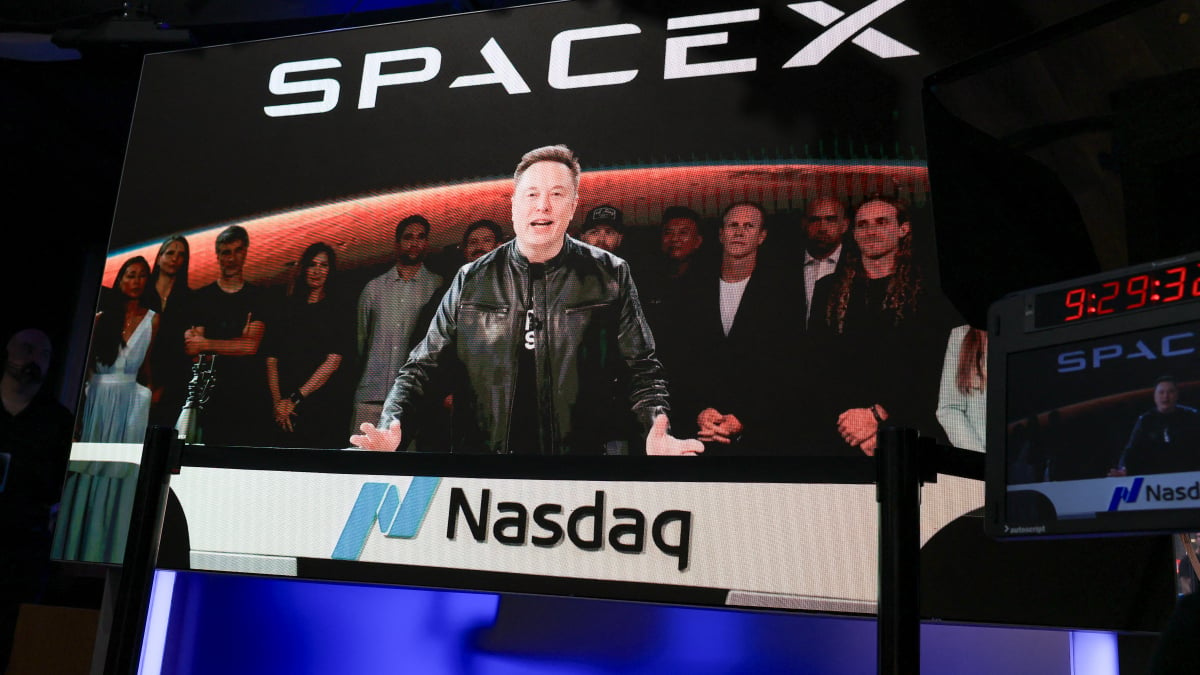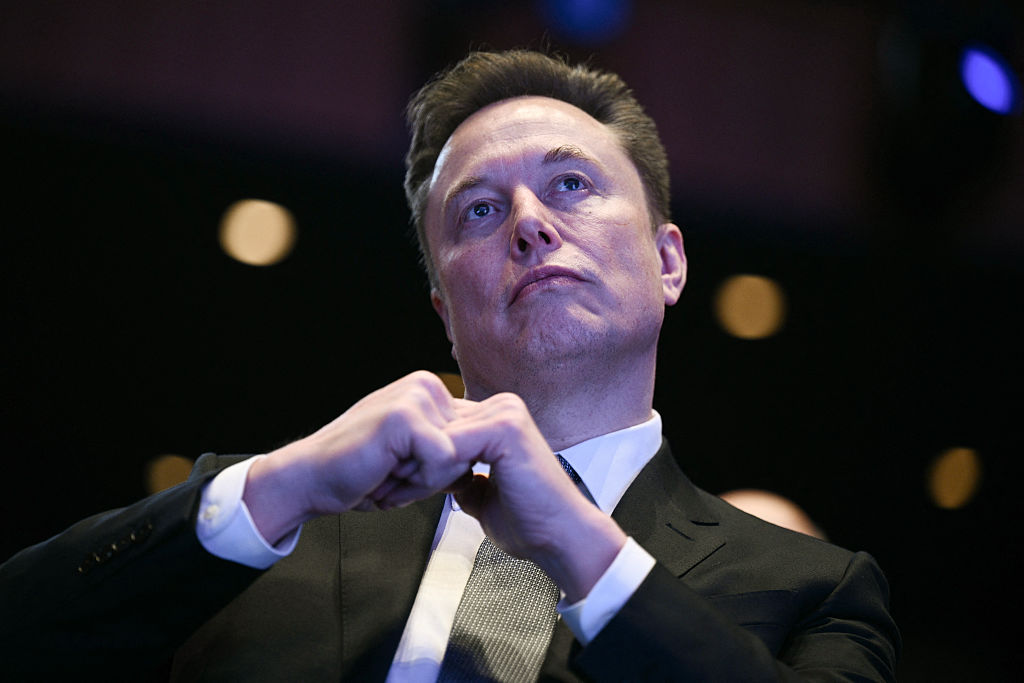
The Atlantic argues SpaceX has become a 'financial instrument for Elon Musk,' merging rockets, Starlink, xAI, and X into a single opaque entity. It's a sharp take on how the company's identity has shifted post-IPO.
space industrySaturday, June 20, 2026
SpaceX's post-IPO identity crisis deepens
SpaceX is no longer just a rocket company. Its IPO, AI acquisitions, and foreign investor ties are reshaping what it means, and the market is trying to figure out the new math.
The new SpaceX
A single thread runs through today's stories: SpaceX is transforming into something that blends space, AI, and finance, and not everyone is comfortable with it.
Goldman Sachs projects SpaceX revenue hitting $474 billion by 2030, framing it as both a rocket and AI infrastructure play. Analysts are skeptical, the number is more than 25x current revenue and implies dominance in two volatile industries.
SpaceX's stock dropped after the $60 billion Cursor acquisition, with the market questioning the logic of buying an AI coding agent at that price. The volatility suggests investors aren't sure how to value this new hybrid company.
A ProPublica investigation found that investors with ties to Chinese military contractors secretly acquired SpaceX stakes before the IPO. It's a national security angle that complicates the narrative of SpaceX as a purely American champion.
More roundups that day
publishing roundupAI controversy shakes publishing world

psychology roundupThe psychology of over-explaining and stigma today
entrepreneurship roundupCashing out and focusing up
history roundupJuneteenth, dictators' chefs, rare cauldron
photography roundupVenus and Moon steal the show
astronomy roundup